Finding the balance between too little and too much information
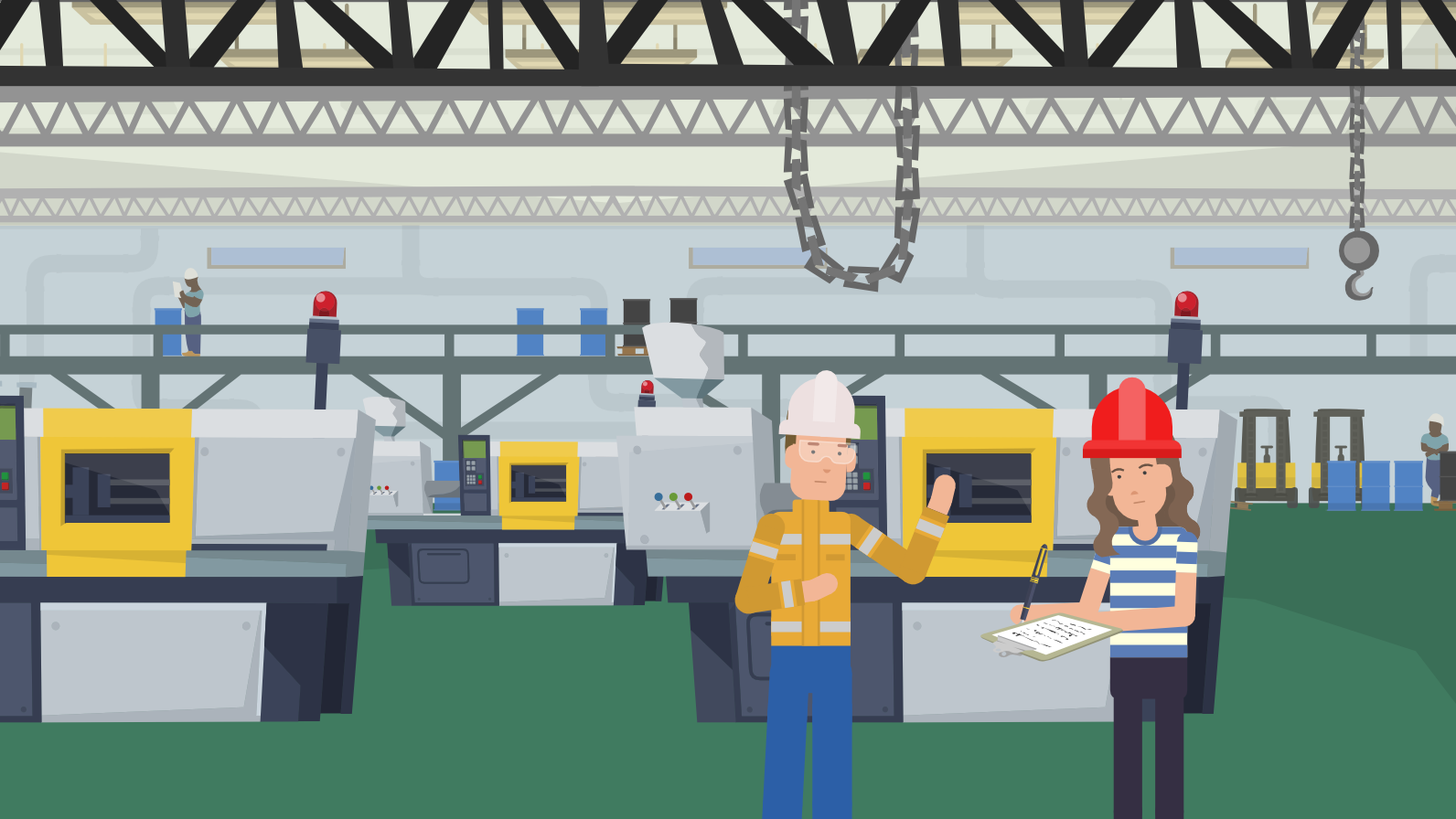
The process starts with gathering knowledge from subject matter experts through listening, observing and asking questions.
Much of an expert’s knowledge has become second nature. As a result, important steps, exceptions and risks can easily be overlooked.
The opposite can also occur. Experts often possess such a wealth of knowledge and experience that they become immersed in details. They may provide extensive background information, discuss exceptional situations and explain technical nuances, while users primarily want to know what they need to do. For that reason, it is important to ask targeted follow-up questions and continually test the information against the needs of the user:
• What exactly happens?
• Why is this action performed?
• When does this procedure not apply?
• What could go wrong?
• How can the user tell that everything is proceeding correctly?
In this way, a technical writer helps find the right balance between too little and too much information. After all, users do not need all the knowledge of an expert. They need precisely the information required to perform a task safely, effectively and independently.
Turning answers into usable knowledge
Obtaining answers is only the first step. The real challenge lies in translating that information into a format that genuinely helps employees in their daily work, such as:
• A clear work instruction
• A technical document
• An education or training programme
• Support that is available at the right moment
Knowledge must not only be correct, it must also be usable. When information is presented effectively, employees can be onboarded more efficiently, make fewer mistakes and work more safely. Only then does knowledge create real value for both the organisation and its users.
The connection between interviewing skills and AI
The ability to uncover knowledge is no longer valuable only when speaking with subject matter experts. Interestingly, the same techniques used to extract knowledge from experts also work remarkably well when working with AI.
In both situations, success starts with a clear question and sufficient context. A subject matter expert can only provide relevant information when the objective and context are clear. The same principle applies to AI. The better the request is described, the better the outcome will be.
A technical writer also probes for clarification, validates assumptions and asks for examples. When working with AI, this translates into refining prompts, reviewing outputs and making adjustments where necessary. Ultimately, the quality of an answer is not determined by the first question, but by the ongoing process of questioning, verifying and refining.
This allows technical writers to apply their interviewing skills a second time during the writing process. By using the same way of thinking and questioning, AI can help further explore information, structure it and transform it into an appropriate learning or support format. AI plays a supporting role in this process. It accelerates and simplifies the work, but it does not replace it.
Just as in an interview, the technical writer remains responsible for guiding the conversation towards the desired objective, evaluating the answers and ensuring that the final result aligns with real-world practice.
The quality of the answer starts with the question
Whether an answer comes from a subject matter expert or from AI, its quality begins with the question being asked.
At Eluxis, we do not treat answers as the end point, but as the starting point. We translate knowledge into practical support that enables employees to work safely, independently and effectively. Because in the end, technical writing is not about documents. It is about helping people perform their work better by providing the right information at the right time.
Kind regards,
Birgit Maas
birgit.maas@eluxis.com
LinkedIn: Birgit Maas